Travel · 13 September 2026
Touring Caravans For Sale
When it comes to buying a touring caravan, the choice of make, model, layout and budget can feel overwhelming. A reputable dealer with a broad stock range and knowledgeable staff makes the process considerably easier, wh
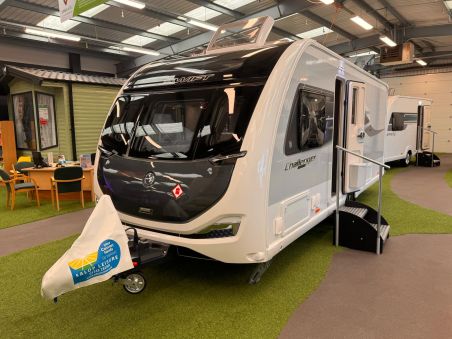
When it comes to buying a touring caravan, the choice of make, model, layout and budget can feel overwhelming. A reputable dealer with a broad stock range and knowledgeable staff makes the process considerably easier, whether you are a first-time buyer or an experienced caravanner looking to upgrade.
Where to Start
Touring caravans fall into two broad categories: new and used. New models typically come with the latest fixtures and fittings, manufacturer warranties and the widest choice of layouts. Used caravans offer better value, and many well-maintained examples remain in excellent condition for years.
Prices vary widely depending on age, specification and condition. Entry-level and older used models can be found for under £10,000, while mid-range caravans generally sit between £20,000 and £40,000. Larger, premium models with island beds and end washrooms can exceed £50,000.
Popular Manufacturers
Two of the best-known names in British caravan manufacturing are Swift and Coachman, both of which produce a wide range of models to suit different budgets and touring styles.
Swift offers several ranges, including the entry-level Sprite, the mid-range Challenger and Challenger Grande, and the more premium Elegance and Elegance Grande. Swift also produces the Basecamp, a compact model aimed at those who want something lighter and more versatile.
Coachman models include the Acadia, Laser, VIP and Lusso ranges, with layouts ranging from two-berth tourers to large family caravans.
Other manufacturers you may come across include Bailey, whose Unicorn, Pegasus and Phoenix ranges are well established, and Isabella, better known for awnings but also producing caravan models.
Understanding Layouts
Layout is one of the most important considerations when choosing a caravan, as it affects how comfortably you can live in the space.
- End washroom – a popular choice, with the washroom positioned at the rear of the caravan to maximise living space elsewhere.
- Centre washroom – often found in larger models, with the washroom positioned centrally.
- Island bed – a fixed double bed accessible from both sides, usually in larger tourers.
- Fixed bed – a permanent bed that stays made up, removing the need to convert seating each night.
- Twin beds – two single fixed beds, often favoured by couples or friends touring together.
- Bunk beds – practical for families with children.
- Side dinette – a small seating area that can often be converted into an additional berth.
Berths and Sizing
Caravans are described by the number of berths they sleep, most commonly two, three, four, five or six. A two-berth caravan suits a couple, while four-berth models are the most popular choice for small families. Larger six-berth caravans offer more sleeping space but require a more capable tow vehicle.
Weight matters as much as size. Before buying, check your vehicle’s towing capacity and consider whether you need a caravan that can be towed by your current car.
New Versus Used
Buying new gives you the latest specification, a manufacturer warranty and the reassurance of a caravan that has not been previously owned. Buying used can stretch your budget further, allowing you to consider a higher-specification model than you might otherwise afford.
Whichever route you take, it is worth inspecting a caravan carefully before committing. Check for damp, look at the condition of the tyres and running gear, and ask about service history where applicable.
Viewing Caravans in Person
Photographs and specifications only tell part of the story. Stepping inside a caravan gives you a much better sense of whether the layout works for you, how much storage is available and how the space feels in practice.
A showroom visit also gives you the chance to compare models side by side, ask questions about towing weights and get advice on accessories such as awnings, motor movers and security devices.
Caravan Shows and Events
Caravan shows offer the opportunity to view a wide range of models from multiple manufacturers in one place, often with show-specific offers available. They can be a useful starting point if you are still deciding what you want, or a good way to compare final choices before buying.
Before You Buy
A few practical points are worth considering before committing to a purchase:
- Confirm the caravan’s weight is compatible with your tow vehicle.
- Check whether a tow bar and electrics are already fitted to your car.
- Factor in the cost of insurance, storage or pitch fees, and any accessories you will need.
- Ask about servicing requirements and warranty terms.
- Consider whether you want to buy outright or explore finance options.
Taking the time to research manufacturers, layouts and weights before you visit a showroom will make the buying process smoother and help ensure you end up with a caravan that suits both your travels and your tow car.