Travel · 13 September 2026
Leisure Batteries
Choosing the right leisure battery is one of those decisions that quietly shapes how you use a caravan, motorhome or campervan. Get it right and you can run lights, pumps, fridges and charging points without worrying abo
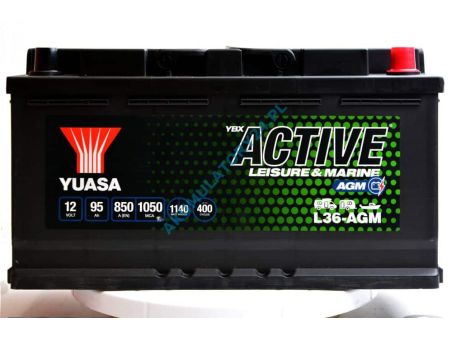
Choosing the right leisure battery is one of those decisions that quietly shapes how you use a caravan, motorhome or campervan. Get it right and you can run lights, pumps, fridges and charging points without worrying about running flat. Get it wrong and you will spend your trips nursing a battery that never quite keeps up.
The current line-up of leisure batteries is dominated by GS Yuasa, a name long associated with dependable vehicle power. Prices start at around £110 and rise to £240, with each model aimed at a slightly different set-up.
What is available
GS Yuasa L35 100AH — £110. The entry point in the range and a sensible choice for smaller touring outfits or occasional weekend use.
GS Yuasa L35 115AH — £140. A step up in capacity, giving more headroom for longer trips and heavier electrical loads.
GS Yuasa L36 100AH — £150. A different case size to the L35 models, useful where fitting space or terminal layout dictates the choice.
GS Yuasa L36 AGM 95AH — £240. The premium option here, using absorbed glass mat construction. AGM batteries are generally better suited to modern charging systems and can cope with deeper discharge than conventional flooded types.
GS Yuasa YCXL 12 battery charger — £168. A matching charger for keeping a leisure battery in good condition between trips.
Matching battery to use
Capacity, measured in amp hours (AH), tells you roughly how much energy the battery can store. A 100AH battery will not deliver 100 amps for a full hour in practice, but the figure gives a useful comparison between models. The higher the number, the longer you can draw power before recharging.
Case size matters just as much. The L35 and L36 designations refer to physical dimensions and terminal positions, so it is worth checking what your vehicle or battery box will accept before ordering. A larger capacity battery is no use if it will not fit.
Battery chemistry is the third consideration. AGM batteries cost more but tolerate deeper discharges and are less prone to the damage that repeated cycling can cause. For anyone running an inverter, a compressor fridge or extended off-grid stays, the extra outlay can be worthwhile.
Looking after a leisure battery
Leisure batteries dislike being left flat. Discharging below around half their capacity on a regular basis will shorten their working life, and leaving one in a discharged state for weeks can ruin it altogether. A quality charger such as the YCXL 12 helps here, keeping the battery topped up and conditioning it during periods when the vehicle is not in use.
If the battery is being stored over winter, a maintenance charge is far kinder than simply disconnecting it and hoping for the best.
Practical points before buying
- Check the physical dimensions of your battery compartment before choosing a model.
- Confirm the terminal layout matches your existing wiring.
- Consider how much power you actually use on a typical trip rather than buying the largest battery available.
- If you regularly camp without hook-up, AGM construction is worth the additional cost.
- Budget for a suitable charger alongside the battery itself.