Travel · 13 September 2026
GS Yuasa - Leisure Batteries
Leisure batteries are the quiet workhorses of any caravan, motorhome or campervan. They keep the fridge running, the lights on and the water pump moving when there is no mains hook-up in sight. GS Yuasa has long been a f
Leisure batteries are the quiet workhorses of any caravan, motorhome or campervan. They keep the fridge running, the lights on and the water pump moving when there is no mains hook-up in sight. GS Yuasa has long been a familiar name in this corner of the market, and its range covers both traditional lead-acid units and newer absorbed glass mat (AGM) designs.
What the range offers
The line-up spans a handful of sizes and capacities, so there is usually something to suit a modest touring caravan as well as a larger motorhome with heavier electrical demands.
- L36 AGM 95Ah — an absorbed glass mat battery with a 95 amp-hour capacity, priced at £240. AGM construction suits vehicles with stop-start systems and can cope with deeper, more frequent discharge than a conventional flooded battery.
- L35 100Ah — a 100 amp-hour leisure battery at £110, a straightforward option for general touring use.
- L35 115Ah — the same footprint as the L35 100Ah but with a higher 115 amp-hour capacity, priced at £140 for those who want more reserve power.
- L36 100Ah — a 100 amp-hour unit in the L36 case size at £150.
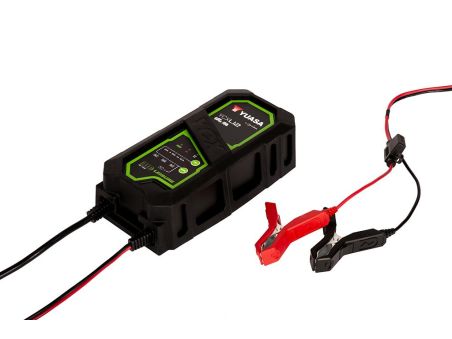
- YCXL 12 battery charger — a dedicated charger at £168, useful for keeping a leisure battery in good condition during storage or between trips.
All of the items listed above are current 2024 stock.
Choosing between them
Capacity, measured in amp-hours, is the figure that matters most when comparing leisure batteries. A higher rating means more stored energy, which translates into longer running times for lights, pumps, televisions and other 12-volt equipment before the battery needs recharging.
Case size matters too. The L35 and L36 designations refer to physical dimensions and terminal layout, so it is worth checking the space available in your battery locker before buying. Fitting the wrong case size can mean terminals that will not line up or a battery that simply will not sit securely.
AGM batteries such as the L36 AGM 95Ah are sealed and maintenance-free, and they generally tolerate discharge and recharge cycles better than flooded types. That makes them a sensible choice for anyone who regularly tours off-grid or relies on a motor mover.
Looking after a leisure battery
A few habits will extend the life of any leisure battery:
- Recharge it fully after every trip rather than leaving it part-charged.
- Use a charger designed for the battery type, such as the YCXL 12, rather than a basic automotive charger.
- Store the battery in a cool, dry place and top up the charge periodically during long periods of inactivity.
- Check terminals for corrosion and keep them clean and tight.
A well-cared-for leisure battery should give several seasons of reliable service, which makes the initial outlay easier to justify.