Travel · 13 September 2026
4 Berth Static Caravan For Sale
Buying a static caravan is a significant decision, and for many people the search begins with a simple question: how much space do I actually need? A four-berth model sits in the sweet spot for couples who want a comfort
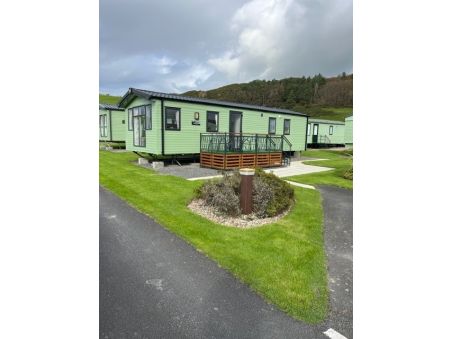
Buying a static caravan is a significant decision, and for many people the search begins with a simple question: how much space do I actually need? A four-berth model sits in the sweet spot for couples who want a comfortable retreat with room for occasional guests, and for smaller families who need sleeping space without paying for a larger unit they will rarely fill.
What “four berth” actually means
A four-berth static caravan typically provides two bedrooms, most often a master bedroom with a double bed and a second bedroom with twin beds. In some layouts the second bedroom is a compact twin, which suits children particularly well. The berth figure describes the number of people the caravan is designed to sleep, so a four-berth will comfortably accommodate four, though the living space in many models is generous enough that a couple using it as a holiday base will find it far from cramped.
Two-bedroom layouts remain one of the most popular configurations on the market, and the choice available reflects that. Buyers can weigh up everything from compact, budget-friendly caravans to large, lodge-style models with wide open-plan living areas.
New or used?
Both routes have their merits, and the split in the market is fairly even.
New caravans come with the latest designs, current safety standards, manufacturer warranties and the reassurance of being the first owner. They also allow you to specify finishes and extras to suit your taste. The trade-off is the higher purchase price.
Used caravans, by contrast, offer a lower entry point and can represent strong value, particularly for buyers who want a well-maintained model on a established park. Condition, age and service history matter a great deal here, so it is worth viewing in person and asking about the caravan’s maintenance record before committing.
Price brackets to expect
The four-berth market spans a wide range. At the lower end, older or more basic used models can be found for under £10,000. The busiest part of the market sits between roughly £20,000 and £70,000, where most new and nearly new caravans are priced. Above £90,000, buyers move into premium territory, with larger, better-specified holiday homes that rival lodges in their fittings and space.
It helps to decide early whether you are shopping primarily on budget or on specification. A clear ceiling makes it much easier to narrow the field.
Manufacturers worth knowing
A handful of UK manufacturers dominate the market, and each has its own following.
- Swift offers a broad range with a strong reputation for build quality.
- ABI produces a wide selection across the price spectrum, from entry-level to premium.
- Willerby is one of the most prolific names in the sector, with a particularly large number of four-berth models available.
- Atlas and Carnaby cater to buyers looking for distinctive design and comfort.
- Victory rounds out the field with a range of well-regarded models.
Popular model names that turn up regularly in four-berth searches include the Willerby Salisbury, Winchester and Sheraton, the ABI Ambleside and Windermere, the Swift Bordeaux and Provence, and the Atlas Heritage and Oakdale. Familiarity with these names helps when comparing listings, since each tends to sit at a particular point in the market.
Matching the caravan to the park
The caravan is only half the equation. The park, its location and its rules matter just as much, and it is worth thinking about both together rather than treating them as separate decisions.
Key questions to ask include:
- Is the park open all year, or seasonal?
- What are the annual pitch fees, and what do they cover?
- How long can the caravan remain on the pitch under the licence agreement?
- Are there restrictions on subletting or on how often you can visit?
- What facilities does the park offer, and are they maintained to a standard you are happy with?
Regions such as the Heart of England and Mid Wales have a dense concentration of parks, from quiet rural settings to larger sites with swimming pools and entertainment. Viewing a shortlist of parks in person, ideally on more than one occasion, gives a much better sense of what a typical week there would feel like.
Seeing caravans in person
Photographs rarely tell the whole story. Layout, headroom, storage and the quality of fixtures all come across far better on a viewing. A dedicated showground where multiple models are displayed side by side is an efficient way to compare manufacturers and layouts in a single trip, and it removes some of the guesswork from a decision that is, after all, a substantial purchase.
It is also worth visiting at different times of day and, if possible, in different seasons, to see how the light falls and how busy the site becomes.
A practical checklist before you buy
- Confirm the exact berth count and sleeping arrangement, not just the number of bedrooms.
- Check the age of the caravan and whether it has been serviced regularly.
- Ask about the pitch licence length and any age limits on caravans on that park.
- Add up the ongoing costs: pitch fees, insurance, gas, electricity and any park charges.
- Read the terms of the pitch agreement carefully before signing anything.
- Establish whether the caravan can be resold on the park, and on what terms.
Approached methodically, buying a four-berth static caravan is a straightforward process. Decide on your budget, settle on the layout and park that suit how you actually intend to use the caravan, and view as many options as you reasonably can before making a decision.